Fall home maintenance checklist, by climate

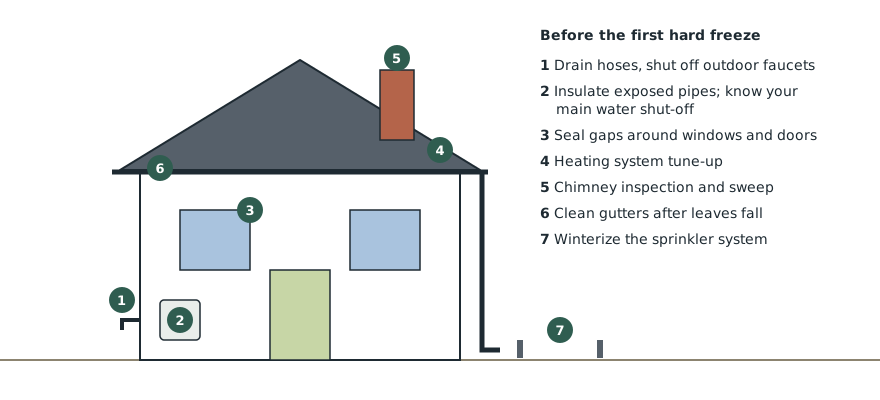
1 2 3 4 5 6 7 Before the first hard freeze 1 Drain hoses, shut off outdoor faucets 2 Insulate exposed pipes; know your main water shut-off 3 Seal gaps around windows and doors 4 Heating system tune-up 5 Chimney inspection and sweep 6 Clean gutters after leaves fall 7 Winterize the sprinkler system
The core fall jobs. The table below shows when to do them in your zone.

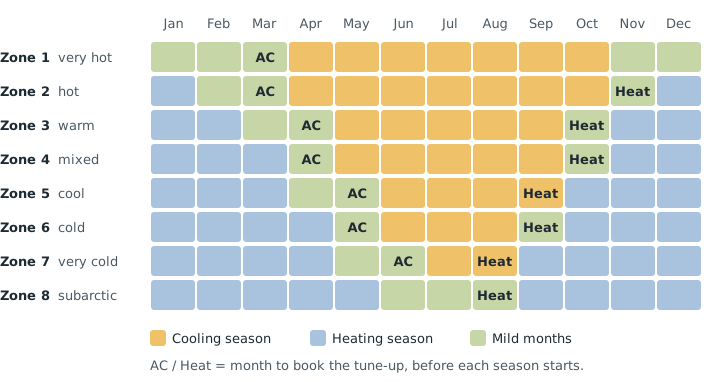
Fall maintenance is about one deadline: getting the house ready before the first hard freeze and before you need the heat every day. That deadline arrives in August in interior Alaska and not until November or December along the Gulf Coast, so a single national checklist will have you working too early or too late.

The table shows the fall window for each climate zone and the tasks that fall inside it. Find your climate zone if you're not sure which row is yours.

Climate zoneMonthsTasks in that window
Zone 1 (very hot)October to DecemberReplace smoke alarm batteries; Clean the gutters; Inspect the roof; Check caulking and weatherstripping
Zone 2 (hot)October to DecemberReplace smoke alarm batteries; Schedule a heating tune-up; Get the chimney inspected and swept; Clean the gutters; Disconnect hoses and protect outdoor faucets; Inspect the roof; Check caulking and weatherstripping; Set ceiling fans to winter mode
Zone 3 (warm)September to NovemberReplace smoke alarm batteries; Schedule a heating tune-up; Get the chimney inspected and swept; Clean the gutters; Disconnect hoses and protect outdoor faucets; Check pipe insulation in unheated areas; Winterize the sprinkler system; Inspect the roof; Check caulking and weatherstripping; Set ceiling fans to winter mode
Zone 4 (mixed)September to NovemberReplace smoke alarm batteries; Schedule a heating tune-up; Get the chimney inspected and swept; Clean the gutters; Disconnect hoses and protect outdoor faucets; Check pipe insulation in unheated areas; Winterize the sprinkler system; Inspect the roof; Check caulking and weatherstripping; Set ceiling fans to winter mode; Close the pool for winter; Aerate and overseed the lawn
Zone 5 (cool)September to NovemberReplace smoke alarm batteries; Schedule a heating tune-up; Clean the gutters; Disconnect hoses and protect outdoor faucets; Check pipe insulation in unheated areas; Winterize the sprinkler system; Inspect the roof; Check caulking and weatherstripping; Set ceiling fans to winter mode; Close the pool for winter; Aerate and overseed the lawn; Get snow equipment ready
Zone 6 (cold)August to OctoberSchedule a heating tune-up; Get the chimney inspected and swept; Clean the gutters; Disconnect hoses and protect outdoor faucets; Check pipe insulation in unheated areas; Winterize the sprinkler system; Inspect the roof; Check caulking and weatherstripping; Set ceiling fans to winter mode; Close the pool for winter; Aerate and overseed the lawn; Get snow equipment ready
Zone 7 (very cold)August to OctoberSchedule a heating tune-up; Clean the gutters; Disconnect hoses and protect outdoor faucets; Check pipe insulation in unheated areas; Winterize the sprinkler system; Inspect the roof; Check caulking and weatherstripping; Set ceiling fans to winter mode; Close the pool for winter; Aerate and overseed the lawn; Get snow equipment ready
Zone 8 (subarctic)July to SeptemberSchedule a heating tune-up; Get the chimney inspected and swept; Clean the gutters; Disconnect hoses and protect outdoor faucets; Check pipe insulation in unheated areas; Winterize the sprinkler system; Start up and check the sprinkler system; Inspect the roof; Septic inspection (every 3 years); Test your well water; Check caulking and weatherstripping; Set ceiling fans to winter mode; Get snow equipment ready

Equipment tasks (pool, septic, sprinklers, chimney) only apply if your home has them. The calendar filters them for you.

The tasks that matter most

Protect anything that holds water outdoors. Disconnect and drain garden hoses, shut off and drain outdoor faucets, and winterize the sprinkler system before the first hard freeze. Water that freezes inside a pipe can split it. See how to prevent frozen pipes and when to winterize sprinklers.

Get the heating system checked before you need it. Book the furnace, boiler or heat pump tune-up a month or so before your heating season starts, when contractors are less busy. If you have a fireplace or wood stove, schedule the chimney inspection and sweep earlier still. See the tune-up schedule and when to clean your chimney.

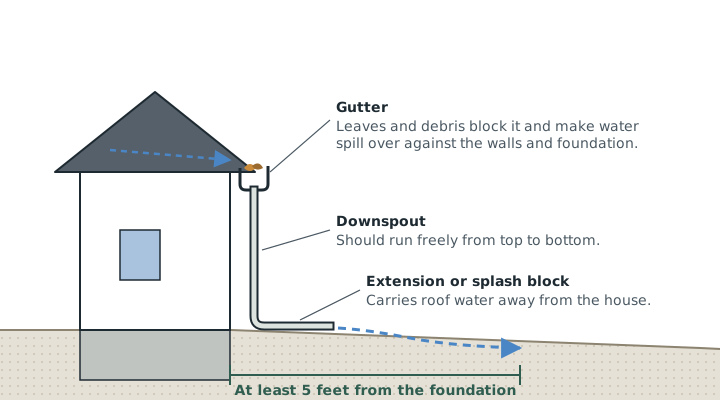
Clear the gutters after the leaves fall. Clogged gutters overflow against the siding and foundation. In cold zones, clear gutters also let meltwater drain, although ice dams mostly come from warm air leaking into the attic, so check attic insulation and ventilation too. See when to clean your gutters.

Seal the gaps. Check caulking and weatherstripping around windows and doors before the coldest months. It's an inexpensive way to cut drafts.

Look at the roof. A quick look from the ground, with binoculars if you have them, catches loose or missing shingles before winter storms. See how often to inspect your roof.

Replace smoke alarm batteries. Many people do it when the clocks change in November. Test every smoke and carbon monoxide alarm while you're at it, since fall is when furnaces and fireplaces start running again. See smoke and CO alarm maintenance.

In warm climates

In zones 1 and 2, fall is mild and hard freezes are rare or absent. Your fall list is shorter: gutters after leaf drop, a roof check after hurricane season, alarm batteries, and a heating check in zone 2 before the few cold weeks of winter.

A plan for every month, not just fall

Fall is the busiest season, but it isn't the only one. The HouseByMonth calendar builds a 12-month plan for your ZIP code and the equipment in your home, and you can add it to your phone's calendar.

Want every task on one schedule? Build your free maintenance calendar for your ZIP code and add it to your phone.