How often to inspect and pump your septic tank
Have a septic professional inspect your system at least every three years. Most household tanks need pumping every three to five years, but the inspection tells you exactly when yours does.
Both figures come from the U.S. Environmental Protection Agency (EPA). Systems with pumps, float switches or other mechanical parts need more frequent checks: the EPA says generally once a year.
When to do it in your climate zone
| Climate zone | Like | When |
|---|---|---|
| Zone 1 (very hot) | Miami, Honolulu, Key West | April |
| Zone 2 (hot) | Houston, Phoenix, Orlando, Dallas | March |
| Zone 3 (warm) | Atlanta, Nashville, Las Vegas, Los Angeles | April |
| Zone 4 (mixed) | Washington DC, New York City, St. Louis, Seattle | May |
| Zone 5 (cool) | Chicago, Denver, Boston, Salt Lake City | May |
| Zone 6 (cold) | Minneapolis, Fargo, Burlington (Vermont), Helena | June |
| Zone 7 (very cold) | Duluth, Caribou (Maine), Anchorage | June |
| Zone 8 (subarctic) | Fairbanks and interior Alaska | July |
Months are typical for each zone and match the free HouseByMonth calendar. Not sure of your zone? Find your climate zone. Weather varies year to year, so move a task earlier if a cold snap or heat wave arrives early.
Why spring works best
Spring, after the ground thaws, is usually the easiest time for septic work. The crew needs to dig to or open the tank lid, and frozen or snow-covered ground makes that harder.
In cold and very cold zones, that window opens later in spring. In warm and hot zones, the ground rarely freezes, so you have more flexibility and can book earlier in the year. The table shows the suggested month for each zone, and the home maintenance calendar repeats the reminder every three years.
Why the interval varies
There is no single pumping schedule that fits every house. The EPA lists four main factors:
- Household size
- Total wastewater generated
- Volume of solids in the wastewater
- Septic tank size
A large family on a small tank fills it much faster than one person on a large tank. Frequent garbage disposal use also adds solids. The EPA says it significantly increases sludge and scum, which means more frequent pumping.
How a professional decides it is time to pump
Inside the tank, waste separates into three layers. Scum floats on top, sludge settles on the bottom and liquid sits in the middle.
During an inspection, the professional checks for leaks and measures the scum and sludge layers. The EPA says the tank needs pumping if any of these is true:
- The bottom of the scum layer is within 6 inches of the bottom of the outlet.
- The top of the sludge layer is within 12 inches of the outlet.
- Sludge and scum make up more than 25 percent of the liquid depth.
Warning signs of a problem
The EPA lists these signs that a system may be failing. Any one of them is a reason to call before the three-year mark:
- Water and sewage back up into toilets, drains or sinks.
- Bathtubs, showers and sinks drain very slowly.
- You hear gurgling in the plumbing.
- There is standing water or a damp spot near the tank or drainfield.
- You smell sewage around the tank or drainfield.
- The grass over the tank or drainfield is bright green and spongy, even in dry weather.
How to handle your septic inspection, step by step
Inspection and pumping are professional jobs. Your part is to plan, prepare and keep records.
- Find your tank. Check your home's drawings or property records, look for lids in the yard, or ask a septic inspector to locate it.
- Pull your past service records, if you have them, to see when the tank was last pumped.
- Book the inspection for the month shown in the table, after the ground has thawed.
- Clear access to the lid. Move vehicles, planters or anything else sitting over the tank.
- Ask the professional to measure the scum and sludge layers and check for leaks.
- Pump the tank if the measurements call for it.
- Write down the sludge and scum levels, any repairs and the tank's condition. The EPA says these notes help determine how often you need to pump.
If you just bought a home with a septic system, ask the seller for records. Without them, treat the first inspection as your new baseline.
Everyday habits that protect the system
What goes down the drain affects how often you need service. The EPA says never to flush cooking grease or oil, non-flushable wipes, feminine hygiene products, dental floss, diapers, cigarette butts, coffee grounds, cat litter, paper towels or medicines.
Avoid pouring grease down sinks and avoid chemical drain openers. Spread out water use too: laundry loads and long showers all go to the same tank.
Skip septic additives. According to the EPA, tanks already contain the microbes they need, and periodic pumping is the only true way to keep the system working properly.
Protect the drainfield
The drainfield is the part of the yard where treated water soaks into the soil. Damage there is hard to undo. Follow these EPA rules:
- Do not park or drive on the drainfield.
- Plant trees far enough away that roots cannot reach the system.
- Keep roof drains, sump pumps and other runoff away from the drainfield area.
Stay out of the tank
Never climb into a septic tank or lean into an open one. Sewer gases such as hydrogen sulfide and methane can cause dizziness and, in enclosed spaces, suffocation, according to the Wisconsin Department of Health Services. Leave opening, measuring and pumping to a septic professional, and keep lids secure and out of reach of children.
If your system has an alarm, pump or electrical controls, do not open the control panel yourself. Call your septic service provider when an alarm goes off.
Who to call
Call a septic service professional for every inspection and pumping, and right away if you see backups, odors or wet spots. The EPA suggests a septic provider, your local health department or your onsite wastewater regulatory agency as places to start.
Other spring jobs
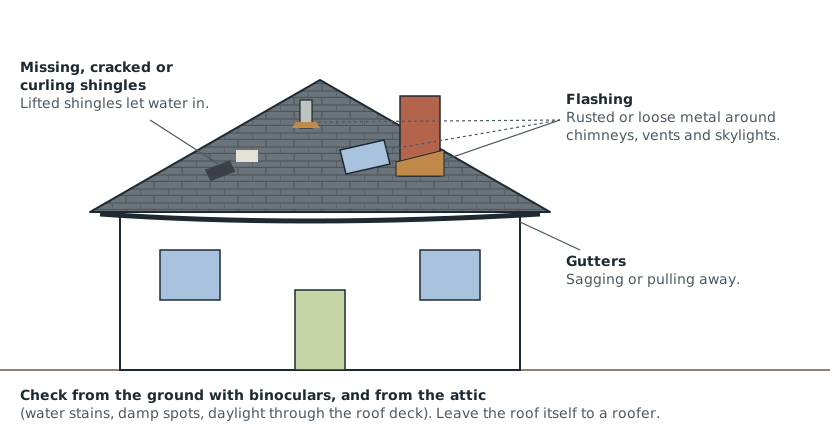
Spring is a busy month on most home calendars. If you have an irrigation system, plan its restart at the same time; see when to winterize sprinklers. Heavy runoff near the drainfield often starts at the roof, so keep your gutters clear with the gutter cleaning schedule.
Sources
- EPA: How to care for your septic system
- EPA: Do your part, be SepticSmart (homeowner guide, PDF)
- EPA: Resolving septic system malfunctions
- Wisconsin Department of Health Services: Sewer gas
Want every task on one schedule? Build your free maintenance calendar for your ZIP code and add it to your phone.